Kitchen Remodeling Timeline: What to Expect From Start to Finish
Planning a kitchen remodel can be an exciting yet complex process. If you're thinking about updating your space, one of the big questions you'll likely have is how long it will take. A successful kitchen update relies on solid planning, open communication, and realistic expectations right from the start. For those interested in custom cabinetry solutions or a complete layout redesign, having a good grasp of the timeline can make everything feel more manageable.
In 2026, kitchen remodels are embracing more personalized touches, smart technology, and durable materials. According to insights from Livingetc and the National Association of Realtors, many projects now take several months from start to finish. In this guide, we'll walk you through each stage of a kitchen remodel, explain what can affect the timeline, and offer tips to help you plan for fewer surprises. Want a smoother start? Check out our article on planning a kitchen remodel without going over budget.
Why Kitchen Remodel Timelines Are Longer in 2026
Customization Takes Time
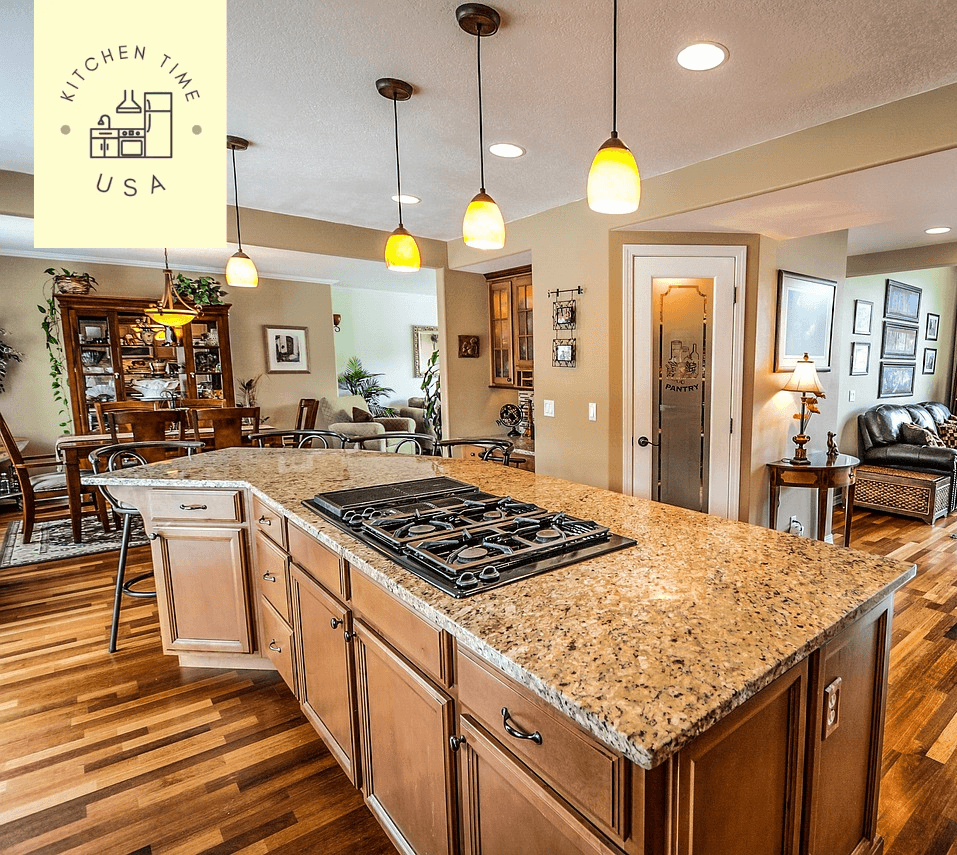
Gone are the days of one-size-fits-all kitchens. Homeowners now want spaces tailored to their routines, cooking habits, and storage needs. This level of personalization means design decisions take longer, and special-order materials can stretch the schedule. Features like an island with seating or integrated appliances require careful planning and approval before installation.
Material Sourcing is More Strategic
Choosing durable, sustainable, and high-performance materials is a top priority. Research from Omnia Construction shows that homeowners are looking for materials that offer both beauty and long-term value. This often means waiting longer for specific finishes or specialty cabinetry lines like Shiloh Cabinetry. Making these decisions early can help avoid delays later on.
Coordinating Trades Requires Careful Sequencing
Kitchen remodels are not as straightforward as they might seem. Demolition has to happen before structural work, plumbing, and electrical updates come before drywall and finishes, and cabinetry often needs to be installed before countertops can be templated. Each phase depends on the previous one, so even a small delay can impact the whole project. That's why good communication between the designer, contractor, and homeowner is so crucial.
The Kitchen Remodeling Timeline at a Glance
Most Projects Take Three to Six Months
A typical kitchen remodel in 2026 takes about three to six months, with more complex renovations potentially taking longer. Smaller updates with few layout changes may move faster, while full renovations with custom elements might need more time. The majority of the timeline is spent planning and preparing, not on actual construction. This allows you time to make informed decisions and avoid costly last-minute changes.
Planning May Take Several Weeks
Before any construction begins, you'll need to go through design consultations, site measurements, budget reviews, and make selections. This planning stage can take four to eight weeks or more. It's often underestimated, but it's one of the most important parts of the process. If you're also comparing finishes and materials, our article on choosing the right kitchen countertop can help narrow down options before installation starts.
Construction is Only One Part of the Schedule
Many people envision remodels as just a few weeks of dust and noise, but construction is just one phase. Once materials arrive and work begins, factors like inspection timing, hidden issues, or changes requested during the build can still affect the schedule. Planning for a realistic start-to-finish window helps keep expectations in check and makes the experience less stressful.
Phase One: Design, Consultation, and Planning
Initial Consultation and Goal-Setting
The first step is the discovery phase, where you and your remodeling team discuss how the kitchen currently functions and what needs improvement. This is the time to talk openly about any storage frustrations, traffic flow issues, lighting needs, appliance requirements, and style preferences. A solid design process begins with understanding your lifestyle, not just picking colors and finishes. Often, a thoughtful remodel starts by figuring out how the kitchen should support your daily routines.
Space Planning and Layout Development
Once your goals are clear, the team can start shaping the layout. This might involve reworking the work triangle, expanding prep space, or adding an island. If you're considering ergonomic or open-plan solutions, check out common kitchen layout mistakes to avoid decisions that could complicate daily use. Good planning at this stage can save time during construction and dramatically improve the final result.
Budgeting and Product Selection
Budgeting is more than just picking a number; it's about deciding where to invest for the biggest impact. Cabinetry often takes the largest share of the kitchen remodeling budget, as it shapes both function and appearance. For affordable yet stylish options, Fabuwood Cabinetry might be a good fit for many projects. During this phase, your team should also help you select countertops, flooring, lighting, fixtures, and appliances so everything works together before orders are placed.
Phase Two: Ordering Materials and Preparing for Construction
Lead Times Can Shape the Whole Project
After selections are finalized, materials must be ordered. This is where many remodels slow down because cabinets, tiles, countertops, and specialty items can all have different lead times. The earlier you choose products, the more likely you are to avoid unnecessary downtime once demolition begins. This is also when your contractor should verify dimensions carefully, since even small measurement mistakes can cause major delays.
Permits and Approvals May Be Needed
Depending on the scope of your remodel, you might need permits for electrical, plumbing, structural, or ventilation changes. Local building departments may also require inspections at certain stages. For a better sense of what's involved with permitting, the National Association of Home Builders offers useful remodeling standards and project coordination information. While permit timelines vary, factoring this step into your schedule helps prevent surprises once work begins.
Protecting Your Home Before Demolition
Preparation doesn't stop with paperwork and product orders. Your remodeling team should help you plan how to protect adjacent rooms, set up a temporary cooking space, and minimize dust migration. If your renovation will disrupt daily life for several weeks, preparing a temporary pantry or meal station can make the process much easier. This is especially important for families who rely on the kitchen throughout the day and need a realistic plan for living through the remodel.
Phase Three: Demolition and Structural Work
Demolition is Fast, but the Impact is Significant
Demolition is often the quickest phase of a kitchen remodel, sometimes lasting just a few days. Even so, it marks a major turning point as the space finally becomes ready for transformation. Homeowners are often surprised by how much is revealed once old cabinets, flooring, and drywall are removed. Hidden water damage, outdated wiring, or previous repairs can all affect the next steps, which is why contingency planning matters.
Structural Changes Can Extend the Schedule
If the remodel includes wall removal, beam installation, window changes, or ceiling adjustments, structural work will add time. These upgrades are worth it when they improve flow, natural light, or functionality, but they must be completed carefully and often require inspection. Many projects aim for open concept kitchen designs because they create better sightlines and a more social atmosphere. However, structural modifications should always fit both the house and the homeowner’s long-term needs.
Mechanical Updates Happen Before Finishes
Plumbing, electrical, HVAC, and ventilation work typically come next. This is the stage where the kitchen begins to move from demolition toward reconstruction. If you plan to add new lighting zones, a range hood, under-cabinet lighting, or better appliance placement, now is the time to prepare the infrastructure. According to the U.S. Department of Energy, energy-efficient appliances and systems can reduce long-term operating costs, which is why many homeowners consider electrical and ventilation upgrades during a remodel.
Phase Four: Installation and Finishing Work
Cabinet Installation Sets the Tone
Once the space is ready, cabinetry is installed, making the room start to look like a kitchen again. Cabinets influence the layout, storage capacity, and the room's visual style, so this phase is especially exciting for homeowners. Precision is key here because countertop templating and appliance fit depend on exact cabinet placement. For a tailored result, custom cabinetry solutions can create a more polished and functional final layout.
Countertops, Backsplash, and Fixtures Follow
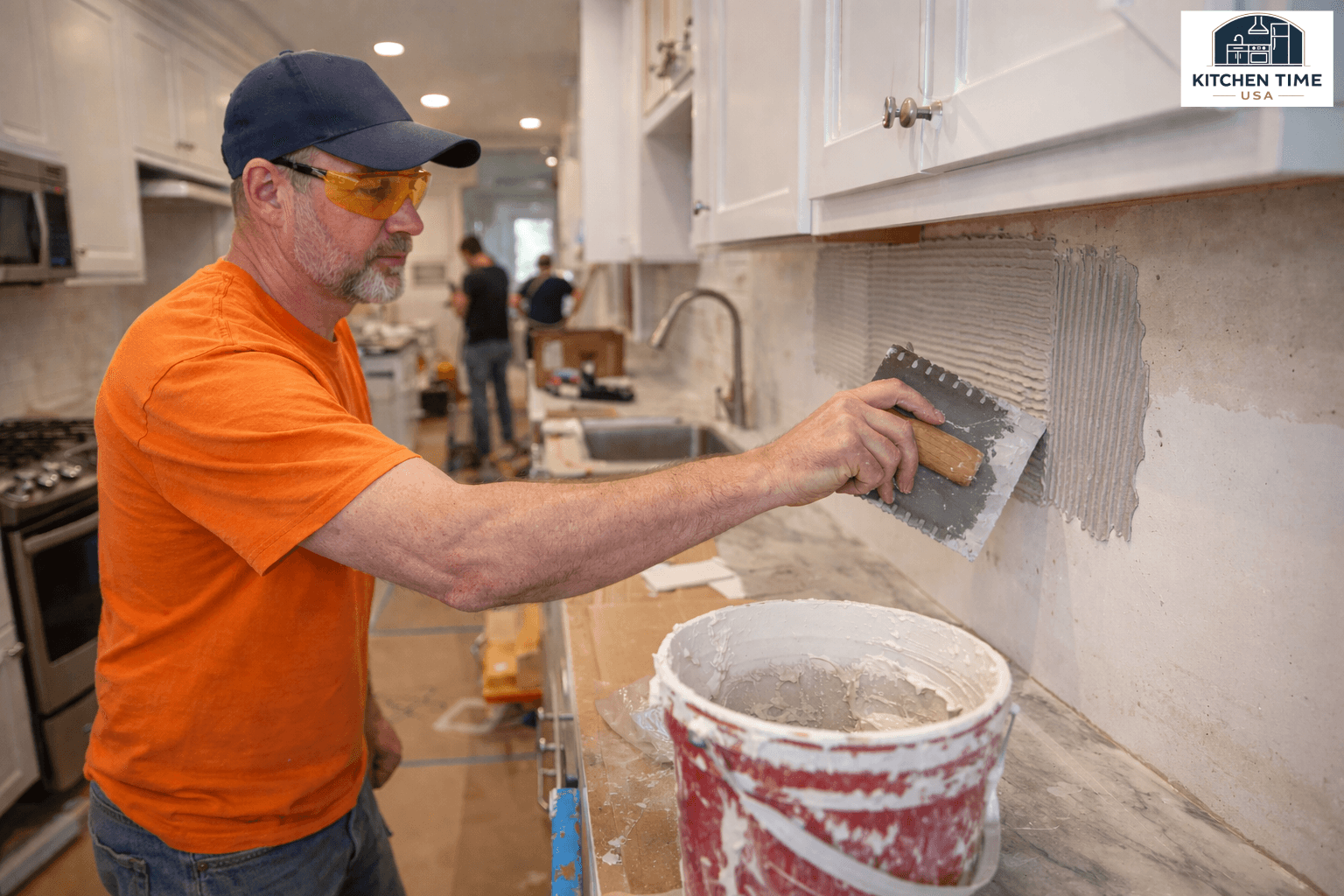
After cabinets are in place, countertop templating and fabrication usually follow, then backsplash installation, sink placement, and fixtures. This is when the design starts to feel complete, and small details begin to make a big visual impact. If you're still deciding between materials, our guide comparing quartz vs. granite countertops can help you match durability, maintenance, and style to your needs.
Flooring, Paint, and Trim Complete the Look
The final stage includes flooring, paint touch-ups, trim, hardware, and final appliance installation. If your remodel includes a new floor, choose it with durability and maintenance in mind, especially for a busy kitchen. Our article on finding the perfect flooring for your modern kitchen offers practical guidance on comparing styles and materials. Once these details are installed, your kitchen transitions from a job site into a livable, polished space.
Real-World Kitchen Remodel Examples
Urban Loft Transformation
One example from current trends is a New York City apartment that completed a six-month remodel with a multifunctional island, sustainable materials, and a cleaner, more open layout. The timeline was extended because the design needed to serve multiple uses in a compact footprint. The result was a modern kitchen that improved prep space, storage, and social flow without feeling crowded.
Family Home Overhaul in Chester, NY
A suburban home in Chester, NY, completed a three-month renovation focused on smart storage and personalized design. The homeowners wanted a kitchen that could support a growing family, so the project prioritized better organization, faster cleanup, and more durable finishes. This kind of remodel shows how thoughtful planning can produce a big quality-of-life improvement in a relatively short period when decisions are made early and materials are selected carefully.
What These Case Studies Teach Homeowners
Both examples show that the timeline depends on complexity, not just size. A smaller kitchen can still take longer if it includes custom details, while a larger space may move quickly if the layout remains mostly unchanged. The key lesson is to build a schedule around your goals, product selections, and your contractor’s process rather than relying on a generic estimate.
How to Minimize Delays During a Kitchen Remodel
Make Decisions Early
The easiest way to protect your timeline is to finalize major decisions early. This includes cabinetry, countertops, appliances, plumbing fixtures, flooring, and lighting. Waiting until construction starts to choose finishes often creates bottlenecks that could have been avoided. Early selections also make it easier for your designer and contractor to coordinate the work efficiently.
Expect a Few Surprises
Even the best-planned kitchen remodel can uncover hidden issues behind walls or under floors. Older homes may have plumbing that needs updating, wiring that no longer meets current needs, or subfloors that require repair. Building a cushion into your schedule and budget gives you flexibility if something unexpected comes up. This is one reason experienced remodelers encourage homeowners to plan with both optimism and realism.
Keep Communication Consistent
Regular updates matter throughout the project. Clear communication allows concerns to be resolved quickly, helps align expectations, and keeps everyone accountable for next steps. If something changes, the sooner it is discussed, the easier it is to adjust the timeline. Homeowners who stay engaged without micromanaging usually enjoy a smoother experience and fewer misunderstandings along the way.
Frequently Asked Questions About Kitchen Remodeling Timelines
How Long Will My Kitchen Remodel Take?
Most kitchen remodeling projects take three to six months from planning to completion, though the exact timeline depends on scope, custom features, and material lead times. A simple refresh may move faster, while a full renovation with structural changes can take longer. The best way to get an accurate estimate is to have a professional review your layout, goals, and product selections before work begins.
What Takes the Most Time?
The planning and ordering stages often take longer than homeowners expect. Design development, permitting, material selection, and product lead times can all add up before construction even begins. Once work starts, cabinetry, countertops, and inspections are usually the biggest schedule drivers. That is why a well-organized preconstruction process can save time later.
How Can I Live Without a Kitchen During the Remodel?
Temporary cooking arrangements can make a major difference. Many families set up a small area with a microwave, coffee maker, toaster oven, and essential pantry items. Others rely more heavily on grilling, takeout, or simple meals during the renovation. Planning this ahead of time reduces stress and makes the disruption feel more manageable.
Is it Worth Waiting for Custom Materials?
In many cases, yes. Waiting for quality materials can improve the final look, durability, and long-term value of the kitchen. The key is balancing patience with practicality so that the project still fits your budget and lifestyle. A well-chosen material package can pay off for years through better performance and easier maintenance.
Conclusion: Plan Smart for a Better Remodeling Experience
Kitchen remodel timelines are rarely identical, but they do follow a predictable pattern: planning, ordering, demolition, installation, and finishing. If you understand what happens in each stage, you can make better decisions, reduce delays, and feel more confident throughout the project. The most successful remodels are not the ones that move the fastest; they are the ones that are planned with care, executed with precision, and finished with lasting value in mind.
If you are ready to begin your own renovation, Kitchen Time USA can help guide you from concept to completion with thoughtful design, quality materials, and clear communication. Explore our services, review design ideas, and take the next step toward a kitchen that truly fits your home. For personalized help, contact our team and start building a space that works beautifully for everyday living.
Ready to plan your kitchen remodel with confidence? Reach out to Kitchen Time USA today to schedule a free consultation and start creating the kitchen you have been envisioning.