When you're designing a kitchen that fits your everyday life, it’s about more than picking out cabinets or choosing a backsplash. The best kitchens are designed around how you actually live: where you brew your coffee in the morning, how you prep dinner, and where you stash things when life gets hectic. When you get the layout, materials, and tech just right, your kitchen becomes a place that feels calm, quick, and easy to use.
These days, kitchens often double as cooking spaces, homework spots, social hubs, and command centers all at once. If you’re thinking about a remodel, start by considering how your family really moves through the room. A thoughtful plan can help you avoid common flow problems, create better storage, and pick finishes that look great without becoming a maintenance headache. If you’re considering a remodel, our guide to kitchen layout mistakes and custom cabinetry options might be helpful.
Current design trends are heading in the direction of warm color palettes, natural textures, and better storage because they make kitchens feel both inviting and practical. Reports from the National Kitchen & Bath Association show that transitional styles are still popular, probably because they offer a timeless look that adapts to changing needs. For more design insights, the NKBA and the U.S. Department of Energy offer guidance on creating spaces that balance style, comfort, and efficiency.
Start With Your Daily Routine
Map Out Morning, Afternoon, and Evening Routines
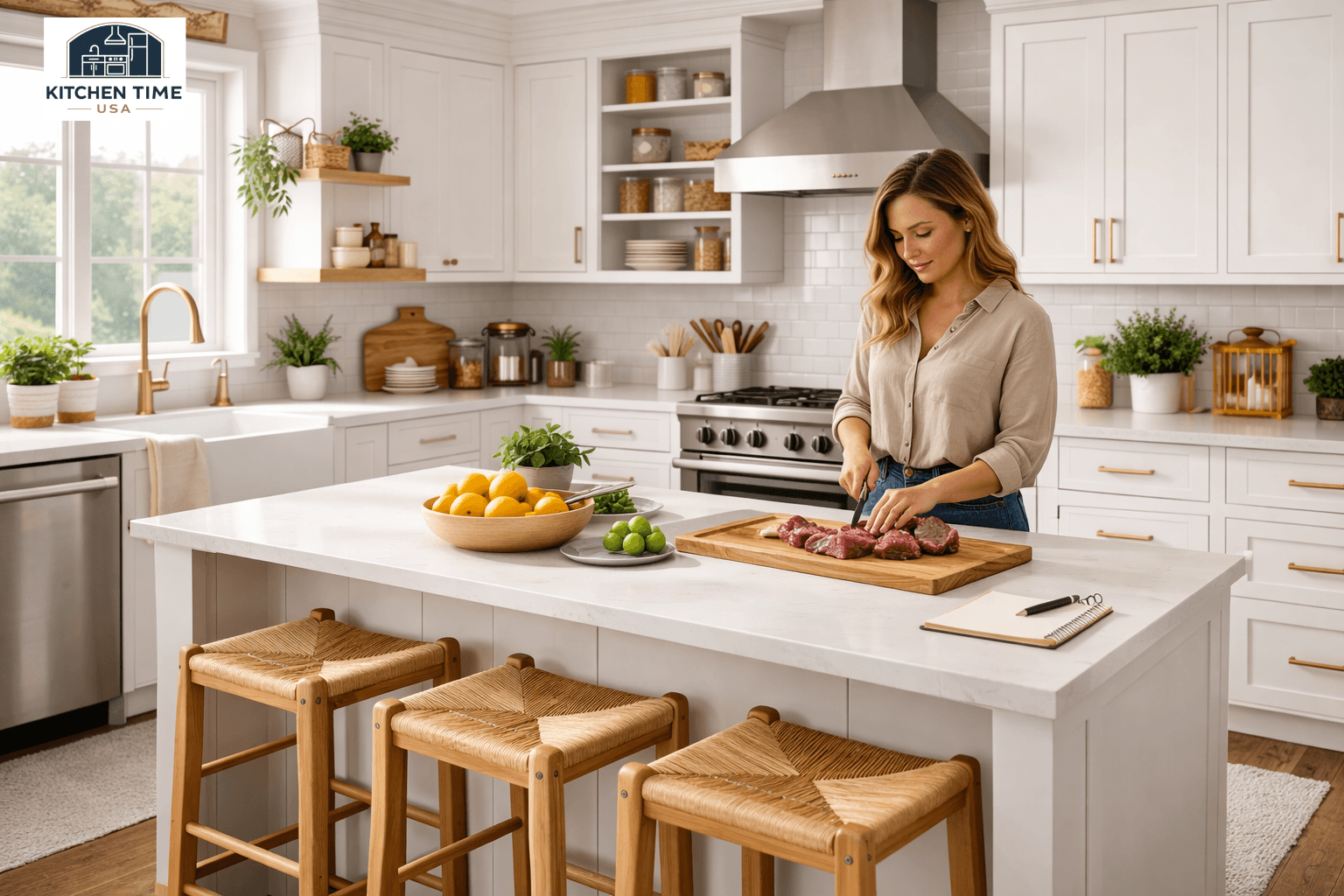
The best kitchens are built around real-life habits, not just a floor plan. Start by listing what your kitchen handles daily. Morning coffee, school lunches, meal prep, grocery unloading, dinner cleanup, and late-night snacks all have different traffic patterns and storage needs.
Once you know these habits, decide where each activity should happen. If coffee is a morning ritual, a dedicated beverage station near the sink or fridge can keep everything together. If evenings are hectic, keeping prep tools and ingredients near the stove can cut down on the distance between chopping, cooking, and serving. Organizing your kitchen around your routines can make it instantly more efficient.
Think in Zones Instead of One Big Workspace
Modern kitchen planning often focuses on functional zones because they reduce clutter and improve flow. Instead of having everything happen in one part of the room, divide the kitchen into areas like prep, cooking, cleanup, storage, and beverage service. This is especially useful in busy households where several people use the kitchen simultaneously.
A smart zoning plan can also make a smaller kitchen feel bigger. A wall of pantry storage, a compact prep zone, and a separate coffee nook can reduce overlap and keep counters clear. If you’re aiming for a kitchen that feels more tailored, Eclipse Cabinetry can help define each zone with storage that looks polished and works well. When zoning is done right, the room becomes easier to navigate from morning to night.
Choose a Layout That Supports Easy Movement
Preserve the Natural Kitchen Work Triangle
The work triangle is still useful because it connects the sink, refrigerator, and cooking area without extra steps. Today’s kitchens might be bigger and more complex, but the idea still holds. You want the main work points to be close enough for convenience, but not so close that the room feels crowded.
According to the Houzz editorial team, homeowners still prioritize smooth flow and better storage during renovations. When the layout is awkward, even a beautiful kitchen can be frustrating. A practical remodel should keep things easy between key tasks, allowing room for more than one person to use the space comfortably.
Add Extra Landing Space Where It Matters
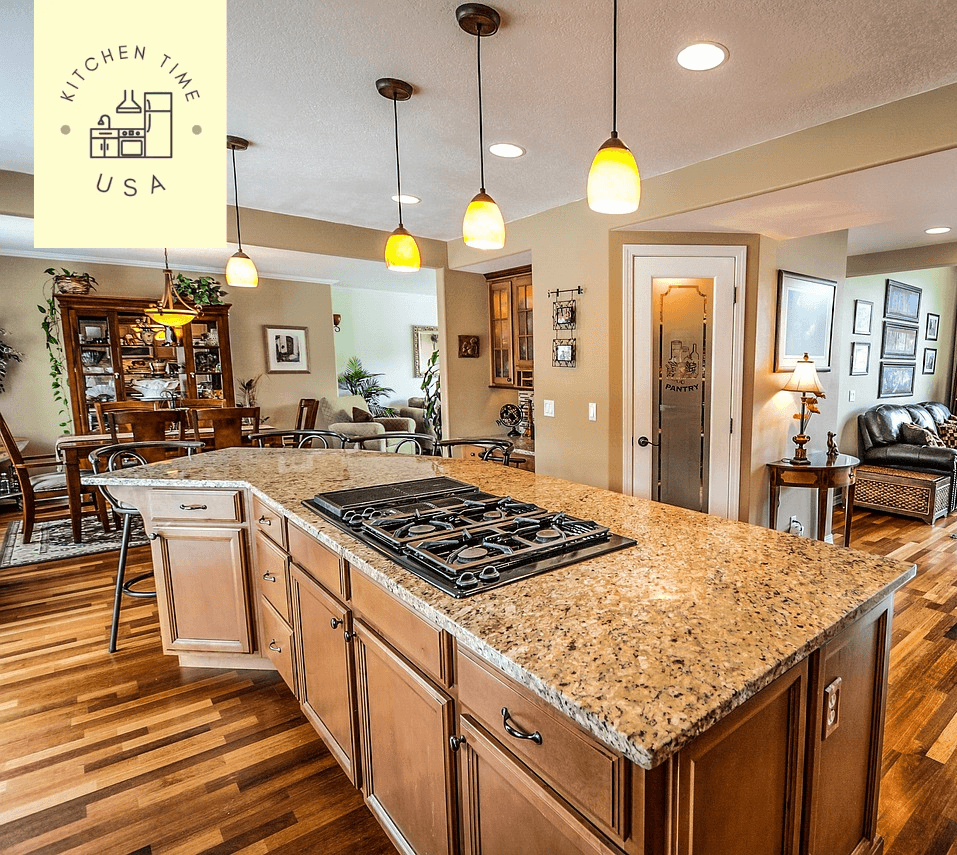
Landing zones are often overlooked in kitchen design. You need open counter space near the fridge for groceries, by the sink for washing and drying, and next to the stove for hot pans. Without these areas, the kitchen might look finished, but still feel inconvenient.
For those who cook often, it’s worth making wider prep surfaces or extending the island to have space for ingredients, small appliances, and serving dishes. This simple adjustment can ease meal prep and cleanup frustrations. If your kitchen feels crowded, checking out common layout pitfalls before you start can help you avoid costly mistakes.
Consider How the Kitchen Connects to the Rest of the Home
A great kitchen doesn’t just stand alone; it fits into the flow of the house. If it opens up to a living room, dining room, or mudroom, those transitions should be smooth. The path from the garage to the pantry or from the kitchen to the dining table should be intuitive.
In homes where the kitchen handles daily traffic from kids, guests, and pets, this is even more important. Clear walkways, smart island placement, and well-placed storage can ease bottlenecks. In a well-planned renovation, every square foot should be useful, which is why many choose functional Fabuwood cabinetry for a mix of style, value, and practicality.
Pick Materials That Are Both Beautiful and Practical
Go for Durable Surfaces in High-Traffic Areas
When choosing materials, think beyond first impressions. Kitchen surfaces need to handle spills, heat, moisture, and constant use. Durable countertop choices like quartz, granite, and other engineered stones are popular because they look good and are easy to maintain. If you’re still weighing options, our countertop comparison guide explains each material’s strengths.
Durability is also important for flooring and cabinetry. A surface might look perfect in a showroom but be difficult to live with if it scratches or stains easily. The goal is to choose materials that fit your lifestyle, not just your design preferences. For broader guidance on healthy and efficient home choices, the EPA’s indoor air quality resources are a good reference when picking finishes and products.
Warm Up the Room with Natural Textures
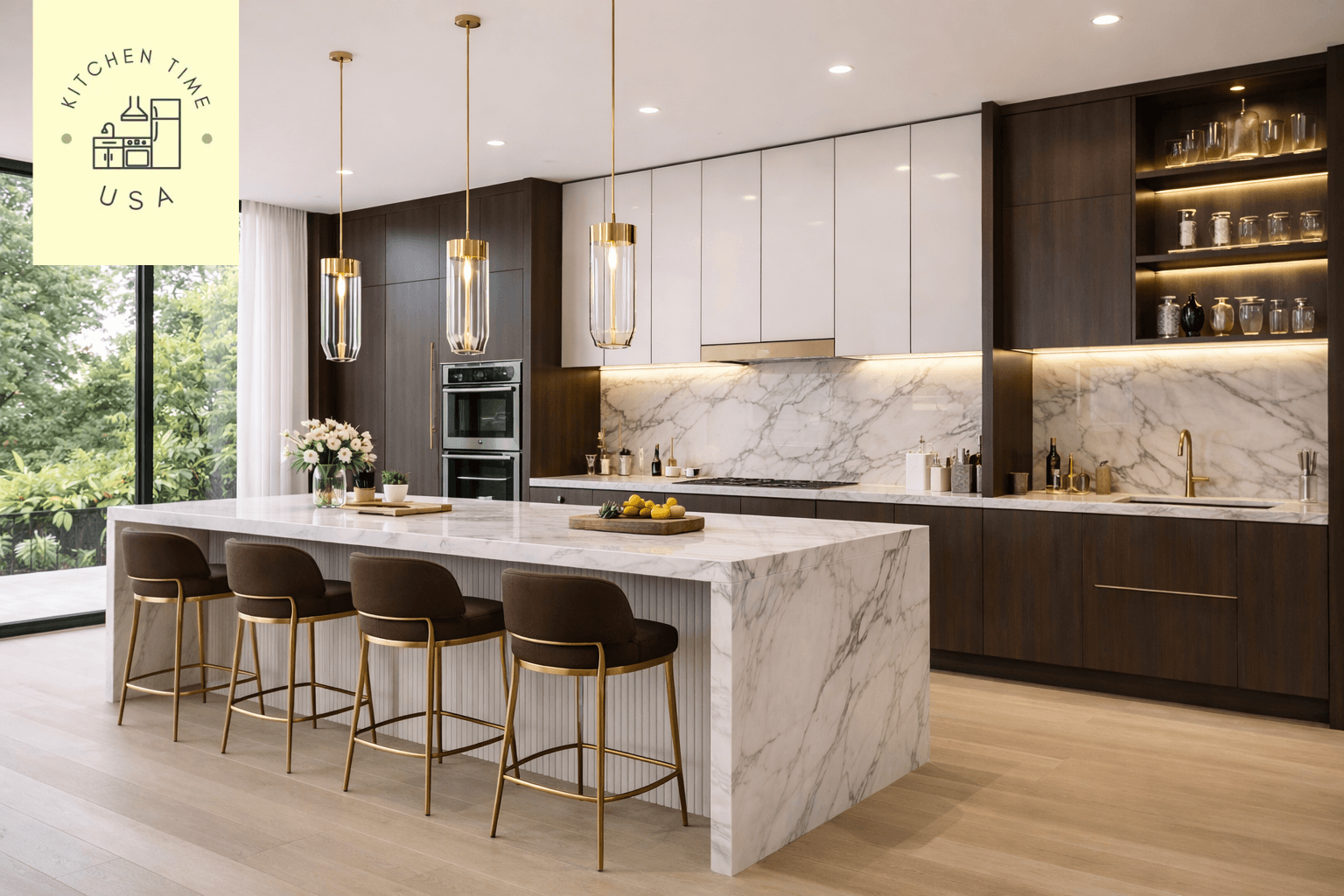
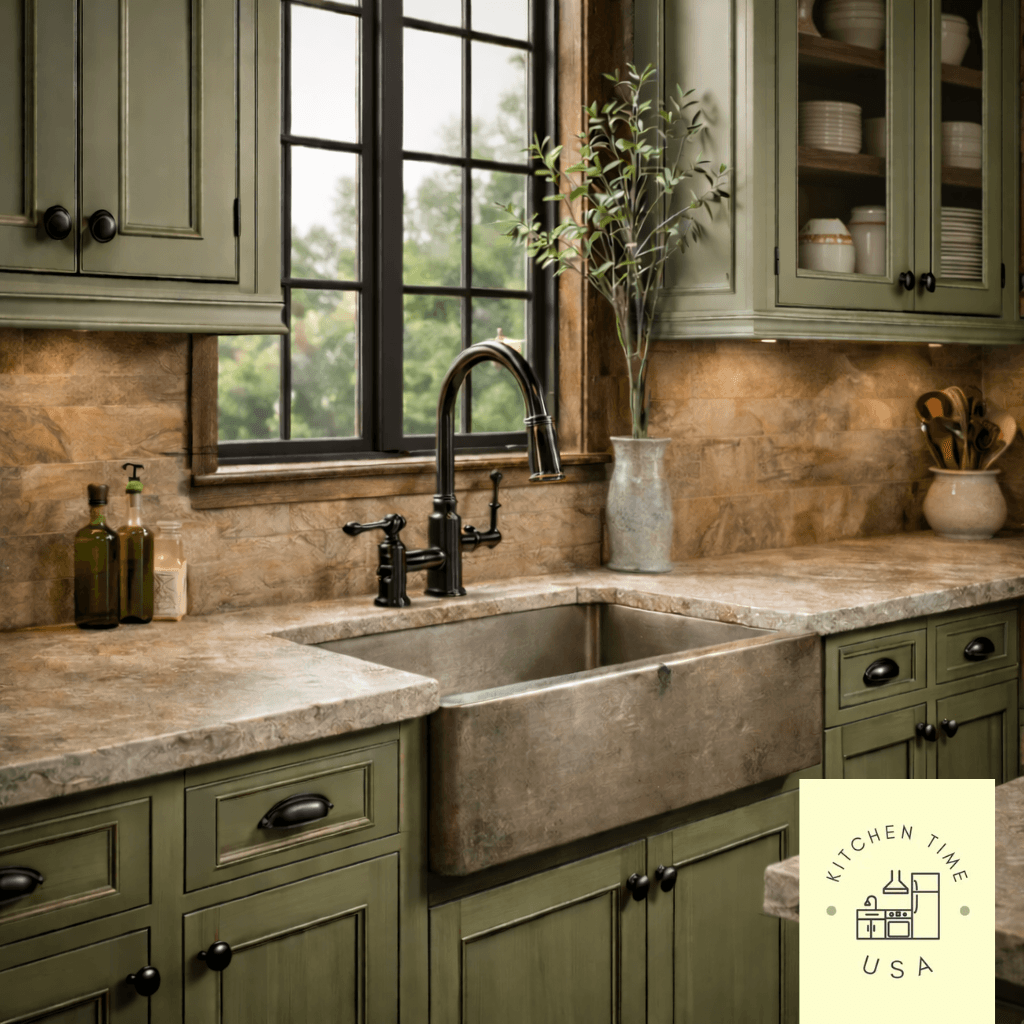
One of the biggest shifts in kitchen design is moving toward warm, earthy, and tactile materials. White oak cabinetry, expressive stone, aged metals, and softer matte finishes create a more organic and inviting feel than the stark white-and-gray kitchens of the past. These materials also pair well with both modern and traditional homes.
Natural materials are attractive because they make kitchens feel grounded and lived-in. A wood island, stone backsplash, or mixed-metal hardware can add depth without making the room feel busy. For a more layered look, check out our modern rustic design article and wood-and-white cabinetry guide for practical ways to balance warmth with sophistication.
Choose Finishes That Age Gracefully
Kitchen design should hold up for years, not just the first year. That’s why timeless transitional styles continue to be popular. According to industry research, 72% of professionals expect these designs to stay dominant over the next few years. It shows that most people want a kitchen that feels current without quickly becoming outdated.
Matte cabinet fronts, subtle veining in stone, and classic hardware shapes age well. They also make it easier to update the room later with lighting, textiles, or decor instead of a full remodel. For long-term value, a durable palette with natural character is usually a smarter choice than a trendy look.
Build Storage Around Your Daily Habits
Use Cabinets to Cut Clutter, Not Add to It
Good storage isn’t just about more cabinets. It’s about making sure the right items are easy to find and put away. That means placing dishes near the dishwasher, storing pots close to the stove, and keeping everyday glasses and mugs where the family naturally reaches for them.
Well-designed cabinetry can make a kitchen feel larger because counters stay clear. Adjustable shelving, deep drawers, tray dividers, and pull-out organizers make daily tasks easier. When choosing a cabinet style, reviewing Shiloh Cabinetry or Eclipse Cabinetry can help you find styles that support practical storage while matching your design vision.
Make Room for Specialty Storage
One clear trend in recent renovations is the rise of specialty storage. Houzz reports that more than 75% of homeowners renovating their kitchens are adding specialty features, with pantry cabinets and walk-in pantries leading the way. This makes sense because households need flexible places for appliances, snacks, baking supplies, and bulk shopping items.
Specialty storage can also make a kitchen feel calmer. A dedicated baking station, hidden appliance garage, or pull-out pantry can keep counters from getting crowded. In homes with kids or frequent entertaining, these details reduce visual noise and make it easier to tidy up quickly after a busy day.
Open Shelving or Closed Cabinetry?
The open-shelving debate depends on how you use the room. Open shelves are great for items you use daily and for showing off nice dishes or glassware. Closed cabinetry is better for hiding clutter, storing bulk goods, and keeping things simple. Many successful kitchens use both approaches in different areas.
If you enjoy styling shelves but want the kitchen to remain practical, limit open shelving to a few key spots. Keep the rest of the storage hidden so the room stays organized. This balance works well in transitional designs, where a mix of display and utility creates a polished yet comfortable atmosphere.
Add Smart Tech Without Overcomplicating Things
Start With Features That Save Time
Smart kitchens are becoming more common because they simplify everyday tasks. Integrated lighting, app-connected appliances, voice controls, and touchless faucets can all improve convenience. The key is to add tech that makes life easier without going overboard on features you’ll rarely use.
A smart fridge that tracks inventory, under-cabinet lighting controlled by a wall switch or app, and a voice-activated timer can save time weekly. If you want a modern upgrade without making the room feel too technical, start small and build gradually. This way, the kitchen stays approachable while still gaining functionality.
Use Lighting as Both a Utility and Design Tool
Lighting is crucial in kitchen design because it affects how the room feels and works. A layered plan usually includes ambient lighting for the whole room, task lighting for prep areas, and accent lighting for display or atmosphere. Warm, well-placed lighting can make even a straightforward kitchen feel inviting.
The trend toward warmer kitchen design has influenced lighting choices, too. Pendant lights with softer finishes, under-cabinet strips, and dimmable fixtures help create a relaxed mood while keeping visibility. If you’re planning a lighting refresh, our kitchen lighting trends guide is a good place to start before talking to a designer.
Keep Technology Invisible When Possible
Some of the best smart kitchen upgrades are the ones you barely notice. Charging drawers, hidden outlets, appliance garages, and integrated range hoods keep a clean look while supporting how you use the room. This is especially valuable in kitchens where the goal is a calm, uncluttered feel.
If you’re worried about tech making the space feel cold or crowded, focus on systems that blend into the cabinetry and architecture. You can always add more features later. In many homes, a couple of well-chosen upgrades are enough to change the rhythm of daily life without overwhelming the design.
Create Comfort Through Ergonomics and Accessibility
Match Storage Height to Real Habits
Ergonomic design is one of the smartest investments you can make in a kitchen. When countertops, shelves, and appliances are positioned well, the room becomes more comfortable and less tiring over time. This matters for everyone, especially for households that cook a lot or plan to age in place.
Think about how often you bend, lift, reach, and carry. Heavy pots shouldn’t be in hard-to-reach upper cabinets, and everyday items shouldn’t require a stool. Pull-out shelves, drawer organizers, and smart appliance placement can reduce strain and make the kitchen feel naturally intuitive.
Design for More Than One User
Many kitchens need to accommodate two or more people at the same time. One person might be cooking while another loads the dishwasher, packs a lunch, or grabs a snack. A good layout prevents these actions from clashing. Wider walkways, sensible island size, and dedicated prep space make teamwork much easier.
Accessibility improves when the kitchen has clear zones and logical storage. The more predictable the setup, the faster everyone can learn it. That’s why a custom approach often works better than a one-size-fits-all plan. A kitchen should adapt to your household, not the other way around.
Think About Comfort in Every Season
In places with changing weather, comfort matters year-round. A cozy breakfast nook, good insulation, and welcoming materials can make the kitchen feel especially pleasant during colder months. In a town like Chester, NY, many appreciate kitchens that feel warm and functional through every season.
Small comfort details often have a big impact. A spot for groceries, soft-close drawers, a quiet dishwasher, and layered lighting all contribute to a better daily experience. These are the kinds of choices that make a remodel feel worthwhile long after the project is done.
Use Color and Style to Make the Kitchen Feel Like Home
Move Toward Warm, Earthy Palettes
The strongest color trend is moving away from stark minimalism and toward richer, softer colors. Mushroom, taupe, sage, olive, and terracotta are becoming more popular because they create a welcoming mood without being overly trendy. These shades work well with wood, stone, and matte metal accents.
Warm neutrals are flexible, making them ideal for those who want a kitchen that lasts. You can introduce color through cabinetry, island paint, wall tone, tile, or accessories. For more on this direction, our new neutrals article offers details on how these tones shape modern kitchens.
Balance Personality with Timelessness
A kitchen should reflect your taste, but also be easy to live with and sell if needed. That’s why designers recommend a neutral foundation with a few personal accents. A bold pendant light, patterned backsplash, or distinct hardware can add character without locking the room into a short-lived trend.
Diane Keaton’s kitchen is a good example of how industrial materials can still feel warm with personal touches. Stainless steel might seem cold on its own, but the right mix of texture, lighting, and styling can soften the look. The lesson: personality matters, but balance matters more.
Use the Right Mix of Open and Closed Visual Elements
Visual calm is important in busy kitchens. Too many competing materials can make the room feel chaotic, while too little contrast can make it feel flat. A balanced mix of cabinetry, backsplash texture, countertop movement, and lighting helps the room feel intentional.
This is where professional design guidance is valuable. A remodel team can help you edit choices so the final result feels cohesive, not cluttered. For an elevated result, you can explore our luxury kitchen design guide for inspiration that still prioritizes livability.
Plan a Remodel That Pays Off Every Day
Set Priorities Before Picking Finishes
It’s easy to get distracted by paint colors, fixtures, and tile samples. But the most successful remodels start with function, then move to looks. Decide which daily frustrations you want to solve first. Maybe it’s a lack of prep space, poor lighting, limited storage, or a crowded layout.
Once your priorities are clear, every choice becomes easier. Your budget can go toward upgrades that matter most instead of being spread thin across too many small details. For anyone planning a renovation, our budget planning guide is a solid starting point before diving in.
Choose Upgrades with the Best Long-Term Value
Not every upgrade impacts daily life the same way. Cabinet storage improvements, better lighting, quality countertops, and ergonomic layout changes usually deliver more practical value than purely decorative updates. That doesn’t mean beauty should be ignored; it just means beauty should support how the kitchen functions.
Energy efficiency is another valuable area to consider. The U.S. Department of Energy notes that ENERGY STAR appliances and efficient lighting can help cut energy use over time. If your kitchen needs a refresh, combining better function with lower costs can make the remodel feel even more worthwhile.
Work with a Team That Understands Your Lifestyle
A kitchen renovation is a big investment, so the right partner matters. A skilled design-build team can help you balance layout, storage, material quality, and budget while keeping the project organized from start to finish. That’s especially useful when the goal is not just a pretty kitchen, but one that improves everyday life.
Kitchen Time USA helps homeowners create spaces that are tailored, durable, and beautiful. Whether you’re updating a family kitchen, building a better cooking workspace, or planning a full renovation, thoughtful design can make daily routines easier and more enjoyable. If you’re ready to take the next step, consider scheduling a consultation and exploring how a custom plan can support the way your household really lives.
Conclusion: Design the Kitchen Around the Life You Live
The best kitchen designs start with habits, not trends alone. When you pay attention to how your household cooks, stores, cleans, and gathers, you can create a kitchen that feels natural from the first cup of coffee to the last dish washed at night. Warm colors, durable materials, smart technology, and ergonomic storage all add up to a space that works hard without feeling harsh.
If you’re planning a remodel, focus on changes that will improve your daily rhythm the most. Build around zones, protect counter space, choose easy-to-maintain materials, and add smart features only where they truly help. For homeowners who want expert guidance and a kitchen tailored to real life, Kitchen Time USA is ready to help turn those ideas into a functional, inviting space you’ll enjoy for years.
Ready to design a kitchen that fits your routine? Contact Kitchen Time USA today to start planning a remodel that brings together comfort, efficiency, and timeless style.